
How Coir Pith Went from Being Waste to a Solution for the Global Waste Problem
For nearly two millennia, coir fiber—extracted from the husk of coconuts—has been used across South and Southeast Asia in ropes, mats, brushes, and even as rigging cables for ancient ships. It’s a material deeply embedded in traditional knowledge systems. But the journey of coir pith, the soft, dusty residue left after fiber extraction, tells a very different story: one of waste, environmental risk, and finally, a remarkable turnaround.
The Industrial Boom and the Waste Crisis
The real shift began in the mid-20th century. The 1950s witnessed the mechanization of coir fiber processing, which significantly boosted production volumes. However, with increased fiber extraction came an unintended consequence: massive heaps of leftover pith.
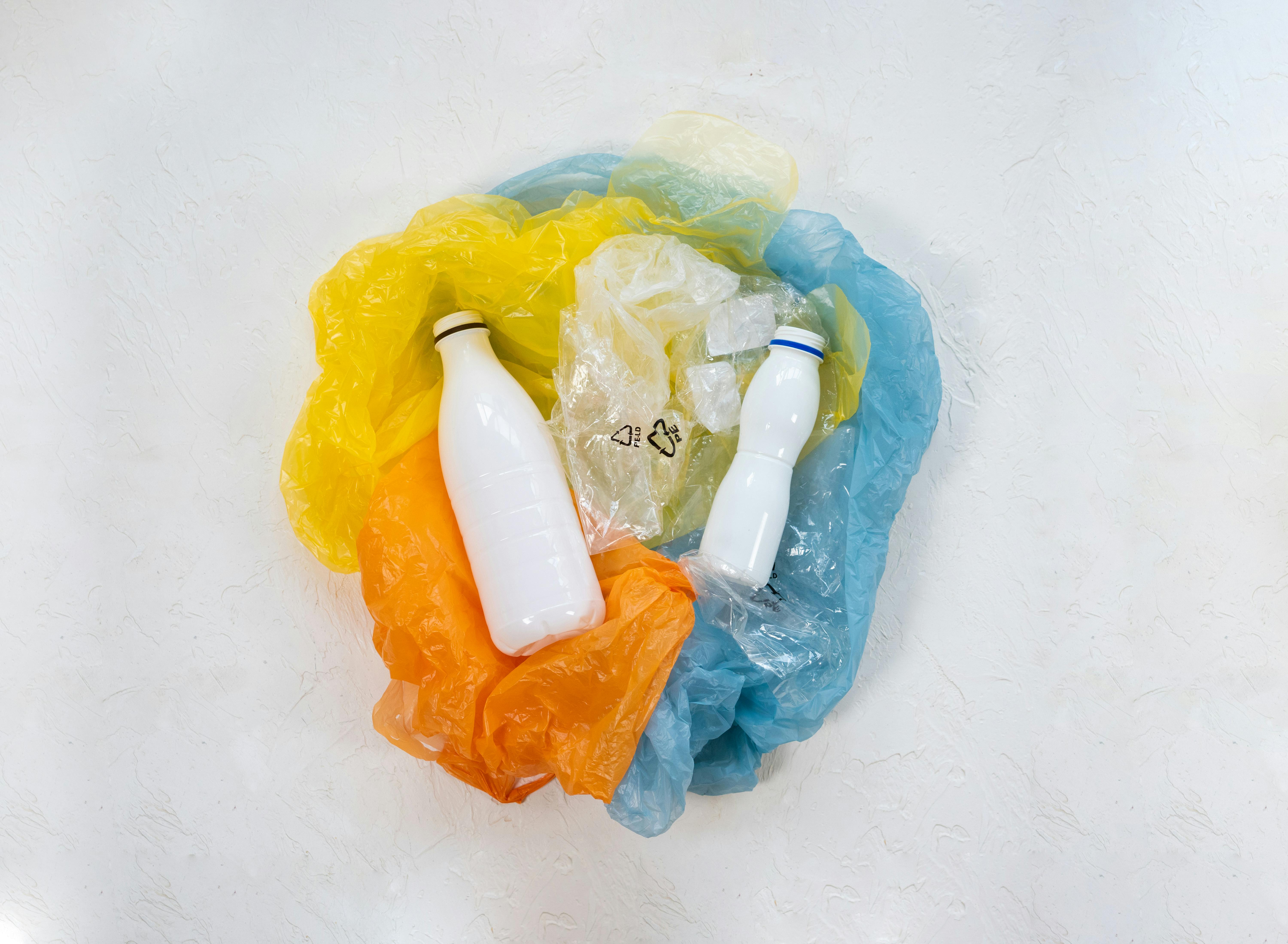
By the 1970s, coir-producing regions—especially in India and Sri Lanka—were grappling with the sheer volume of this fibrous dust. For every tonne of fiber, up to two tonnes of coir pith was generated. And since coir pith is slow to decompose naturally, it began piling up across fields and factory sites, posing severe environmental hazards.
The uncontrolled buildup of coir pith led to several environmental issues. It became a breeding ground for mosquitoes, emitted foul odors due to slow decomposition, and released methane, a harmful greenhouse gas. It also clogged water bodies, contaminated groundwater, degraded soil, and posed fire hazards during dry seasons. What began as a minor byproduct had become a serious ecological concern
Today, coir pith is used in a wide range of applications that directly address modern environmental challenges. In agriculture and horticulture, it serves as a sustainable growing medium in nurseries, greenhouses, and hydroponic systems, improving soil aeration and moisture retention while helping rehabilitate degraded soils. In environmental remediation, it’s used to absorb pollutants like heavy metals and colorants from water, and in treating radioactive and phenolic waste. As a source of bioenergy, coir pith is compressed into low-emission briquettes and used in biomass gasifiers. Industrially, it acts as an oil absorbent, aids in air purification, and is being explored as a biodegradable packaging material.
In conclusion, the story of coir pith shows that with the right initiative and collaboration, even waste can become a valuable resource. As we continue to battle the global waste crisis, stories like this remind us that sometimes, the solution is already under our feet—literally.

Quality Assurance
We guarantee premium quality products that meet global standards.

Global Sourcing
Our products are sourced from the best producers around the world.

Customer Focused
We prioritize customer satisfaction, ensuring a seamless buying experience.

Diverse Range
Explore a wide variety of natural food products tailored to your needs.