
Coir Pith vs Coco Peat vs Coco Husk Chips: Clearing the Confusion
The benefits of using a growing medium derived from the humble coconut husk need little introduction. There are as many names for these coconut-based mediums as there are benefits. Terms like coco peat, coir pith, coco husk chips, coir fiber, and coir dust are sometimes used interchangeably — but are they really the same?
Coir Pith, Coco Pith, Coir Dust
It is a spongy, fine-textured byproduct that results when fiber is extracted from the outer husk of a coconut. Coir pith - once considered as a problem that needed solving - is now at the forefront of sustainable agriculture. This material is naturally rich in lignin and cellulose and has excellent water retention properties. In its raw form, however, it can also contain high levels of soluble salts and other impurities, which is why it often requires treatment or composting before use in sensitive applications. Coir pith and coco pith are essentially the same thing and are used interchangeably in the industry.
Coco Peat
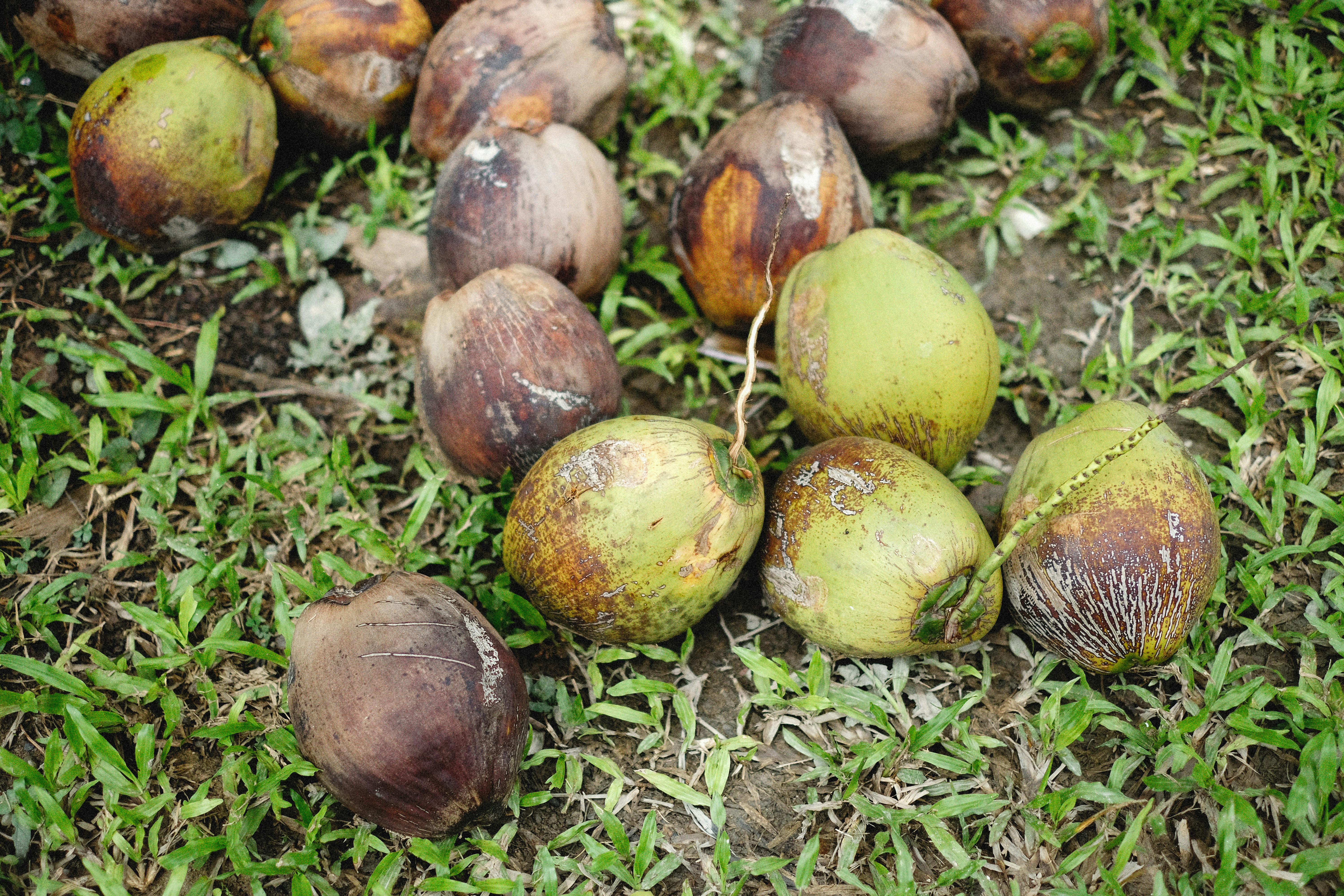
Coco peat, on the other hand, is often used synonymously with coir pith, but it refers to a more refined and processed version of it. Coco peat is sifted to achieve a consistent, ultra-fine texture and thoroughly washed to reduce its electrical conductivity (EC) by removing salts and residual chemicals. The result is a clean, uniform, ready-to-use growing medium that is safe for seedlings, potted plants, and hydroponic systems. In this sense, coco peat can be thought of as a subset of coir pith.
The term "coco peat" likely emerged as a marketing adaptation, especially in Western markets where peat moss was already a familiar and widely used growing medium. Coco peat, however, is generally considered a more sustainable and often superior alternative — but more on that later.
Coco Husk Chips
Then there are coco husk chips, which are quite different in structure and application. These are small chunks or cubes cut directly from the coconut husk and resemble wood chips in texture. Unlike coir pith or coco peat, which are fine and moisture-retentive, husk chips offer excellent aeration but hold less water. This makes them ideal for plants that require better airflow around the roots, such as orchids, anthuriums, and cacti.
It is essential for every gardener to understand these subtle differences in terminology to make the most of these coconut-based products. A small misunderstanding can lead to mismatched applications—and months of hard work can end up going to waste.

Quality Assurance
We guarantee premium quality products that meet global standards.

Global Sourcing
Our products are sourced from the best producers around the world.

Customer Focused
We prioritize customer satisfaction, ensuring a seamless buying experience.

Diverse Range
Explore a wide variety of natural food products tailored to your needs.